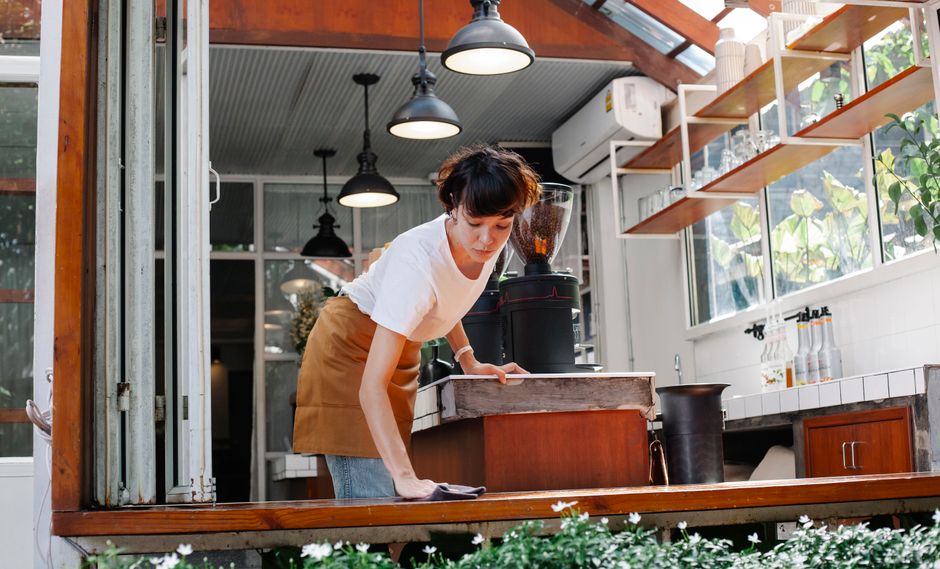
Barnes High Street carpet cleaning for shops and cafes

If you run a shop, cafe, deli, salon, or small hospitality space on Barnes High Street, you already know the floor tells a story. A clean carpet says the place is cared for. A tired, stained one? People notice that too, even if they never mention it. Barnes High Street carpet cleaning for shops and cafes is not just about appearance; it's about hygiene, first impressions, slip reduction, and keeping your premises comfortable for customers and staff.
In a busy little commercial setting, carpet gets hit from all sides: wet umbrellas in the morning, muddy shoes after lunch, crumbs under tables, coffee splashes near the counter, and the daily grind of foot traffic. This guide walks through how professional cleaning works, what benefits you can expect, the common mistakes to avoid, and how to plan the job with as little disruption as possible. If you're comparing options, there's practical detail here, not fluff.
One small truth from experience: the best results usually come from regular attention, not heroic emergency cleaning at 6pm on a Friday. Let's make it easier.
Why Barnes High Street carpet cleaning for shops and cafes Matters
Carpets in customer-facing businesses are part of the experience. People may not consciously study them, but they absolutely absorb the overall feel of a space. A fresh carpet helps a cafe feel brighter, quieter, and more inviting. In a shop, it supports the impression that products and displays are looked after. In a compact retail or cafe unit, that matters even more because there's less room for visual clutter to hide wear and tear.
There's also a practical side. Dirt left in carpet fibres acts like sandpaper underfoot. Over time, that can shorten the life of the carpet and make the pile look flattened. Spills can sink deeper than they appear on the surface, and small marks can spread out into larger, more stubborn stains if they are left alone. If you've ever seen a dark patch "suddenly" become obvious under daylight, you'll know what that means. It was probably there for ages.
For cafes, the stakes are a bit different from retail. Coffee, syrup, milk, food oil, and table traffic all bring their own problems. For shops, the issue is often general dust, shoes, rainwater, and seasonal dirt from the street. Either way, a regular carpet cleaning routine helps keep the premises consistent. And consistency is underrated. Customers trust what feels consistent.
If your business also has hard floors in some areas, it can help to think about the whole space rather than the carpet in isolation. A mixed-surface cleaning plan that also covers hard floor cleaning can make the front-of-house feel much more complete.
How Barnes High Street carpet cleaning for shops and cafes Works
Commercial carpet cleaning is usually planned around fabric type, traffic levels, stain risk, and business hours. The process is straightforward on paper, but the detail matters. A good cleaner will start by checking fibre type, backing, visible damage, and any problem areas such as entrance mats, till points, seating zones, or queue lines.
Most jobs begin with a dry soil removal phase. This sounds simple, but it's one of the most important steps. If loose grit is not removed first, wet cleaning can turn particles into a muddy paste. That is how carpet starts looking patchy or gritty after a rushed job. After that, the cleaner may pre-treat spots and traffic lanes, then use a suitable cleaning method such as hot water extraction, low-moisture cleaning, or targeted stain treatment. Some sites also benefit from focused work on adjacent fabric items, especially if customers sit close to the carpeted area; in those cases, upholstery cleaning can make the whole space feel more refreshed.
Drying time is a big deal in commercial settings. Nobody wants damp carpets blocking a breakfast service or making a shop smell slightly earthy by mid-morning. The cleaning plan should therefore factor in airflow, temperature, footfall, and the time available before opening. To be fair, this is where experience shows. A cleaner who understands busy commercial premises will think about the next three hours, not just the next ten minutes.
For larger or more intensive clean-ups, some businesses pair carpet work with a broader reset. If the premises have had decorating work, fit-outs, or a deep seasonal refresh, you might also consider deep cleaning or even one-off cleaning alongside the carpet work. That can be especially useful when the front-of-house needs to look properly finished, not just spot-treated.
Key Benefits and Practical Advantages
The most obvious benefit is visual. Clean carpet makes a business feel better maintained within seconds. But there are other advantages that tend to matter just as much once you run the numbers and deal with day-to-day operations.
- Better first impressions: clean flooring helps customers feel comfortable before they've even ordered or browsed.
- Improved hygiene: carpets can trap dust, crumbs, and general debris that you do not want lingering in customer areas.
- Longer carpet life: regular soil removal reduces wear caused by grit and embedded dirt.
- Odour control: useful in cafes where food and drink spills are common, and in busy shops where foot traffic is constant.
- Lower risk of visible staining: the sooner you treat marks, the less likely they are to become permanent looking.
- Staff morale: people work differently in a clean space. It sounds soft, but it's real.
There's a quiet commercial benefit too: a well-kept space reduces the chance that customers get distracted by the wrong details. A stained carpet near the till can become the only thing people remember. That is not ideal, especially if you've spent time on display, lighting, and product presentation.
If your venue has windows facing the street, it is worth thinking about the whole frontage. Clean carpet inside and clear glass outside do more together than either one does alone. A tidy front can be supported by window cleaning, which helps the whole premises look cared for from Barnes High Street itself.
Who This Is For and When It Makes Sense
This kind of service suits a wide range of businesses, but it is especially useful for places that welcome frequent foot traffic or use carpet in customer-facing zones. Cafes with seating areas, bakeries, boutique shops, salons, small waiting areas, and mixed-use business premises all benefit. So do landlords or managing agents looking after commercial units between tenancies.
You may need carpet cleaning if you notice any of the following:
- traffic lanes looking darker than the rest of the carpet
- fresh or old food and drink stains
- odours that linger after normal vacuuming
- carpet that looks flat, dull, or "tired"
- dust that seems to come back quickly after cleaning
- a poor impression in customer-facing areas
For some businesses, the trigger is seasonal. After wet weather, carpets near entrances can look messy very quickly. In winter, people bring in more dirt, water, and salt. In warmer months, cafes often deal with more crumbs and drink spills, especially when seating spills out near the front. The timing is a little different for every business, but the pressure points are predictable enough.
It also makes sense after refurbishment, decorating, or tenant changes. If your unit has just had work done, combining carpet cleaning with after builders cleaning can help remove the last traces of dust and residue that otherwise seem to settle everywhere. Builders' dust has a nasty habit of travelling, doesn't it?
Step-by-Step Guidance
If you're planning Barnes High Street carpet cleaning for shops and cafes, a simple process helps avoid surprises. Here's a practical step-by-step outline.
- Assess the carpet zones. Note entrances, queue areas, seating sections, tills, and any obvious stains or odours.
- Check the carpet material. Wool, synthetic fibres, and blends can react differently to cleaning products and moisture.
- Identify business hours and downtime. Choose a slot that gives enough drying time before customers arrive.
- Vacuum thoroughly. A proper pre-clean vacuum removes dry dirt so the wet stage works better.
- Pre-treat marks and high-traffic lanes. This helps loosen grime before the main clean.
- Select the right method. Hot water extraction, low-moisture cleaning, and spot treatment each have their place.
- Allow for airflow and drying. Open windows where appropriate, use fans if suitable, and keep foot traffic off damp areas.
- Inspect the results. Check edges, corners, under tables, and around doorways. Those are the places people miss.
There is no magic shortcut here. Good commercial cleaning comes from choosing the right method for the carpet and the business schedule. If a cafe needs to reopen quickly, low-moisture cleaning may be more practical. If the carpet is deeply soiled, hot water extraction may give a more thorough reset, provided drying time is managed sensibly.
A useful habit is to keep a simple stain log. It does not need to be fancy. Just note the date, the type of mark, and where it happened. That little bit of info helps identify patterns, like the same table consistently causing trouble or the same entrance getting muddy every rainy spell. Small thing, big payoff.
Expert Tips for Better Results
Some cleaning jobs are decided before the machine even starts. That may sound dramatic, but the prep is often what separates an acceptable result from a genuinely good one.
- Vacuum more often than you think you need to. In a cafe or shop, daily vacuuming in high-traffic areas is often sensible, even if the full clean happens less frequently.
- Treat spills quickly. Coffee, tea, wine, syrup, and sauces behave differently. The faster you act, the easier the stain usually is to lift.
- Use entrance mats well. A decent mat catches a surprising amount of dirt before it reaches the main carpet.
- Move light furniture where possible. You do not want a clean carpet with untouched rectangles under chairs and display stands.
- Ask about drying time in real conditions. A warm summer afternoon and a cool January evening are not the same thing. Obvious, but often forgotten.
- Plan around quiet periods. If the shop is quieter on a Monday morning or the cafe closes earlier midweek, use that window.
One practical observation from busy premises: the edges and thresholds often look dirtier than the centre, even when the centre has more overall foot traffic. Why? Because the edges catch dragged-in dirt and are less often targeted during quick daily cleaning. It's one of those annoying little truths.
If you want the space to feel truly finished, don't ignore nearby soft furnishings. A carpet can look much better, but if chairs and benches still smell stale or carry visible marks, the room feels only half improved. This is where sofa cleaning and rug cleaning can be useful additions in cafe seating areas or boutique retail spaces.
Common Mistakes to Avoid
Most carpet problems in shops and cafes are not caused by one catastrophic mistake. They happen gradually. A quick clean here, a rushed spill response there, and before long the carpet starts looking older than it is.
- Using too much water: over-wetting can slow drying and increase the chance of wicking, where stains seem to return as the carpet dries.
- Scrubbing aggressively: this can distort fibres and make the affected area look rough or shiny.
- Leaving spot treatments on too long: some products need controlled use, not a "spray and hope" approach.
- Cleaning only visible areas: edges, entrances, and under furniture need attention too.
- Waiting until the carpet looks terrible: by then, the job is harder and sometimes more expensive.
- Ignoring drying conditions: damp carpet in a closed room is asking for trouble, or at least a slightly gloomy smell.
Another mistake is treating all stains the same. Food grease, tannins from tea or coffee, tracked-in mud, and sugary spills all behave differently. A one-size-fits-all method can be disappointing. Better to identify the stain type first, then choose the right treatment. Not glamorous, but effective.
And please, if the carpet is delicate or historic-looking, do not go in with a random bottle from under the sink. That is the sort of decision that ages badly.
Tools, Resources and Recommendations
For businesses handling routine upkeep between professional visits, a few practical tools go a long way. You do not need a warehouse of kit. You need the right basics, used consistently.
- Commercial vacuum cleaner: choose a model that can cope with frequent use and has suitable filtration for dusty environments.
- Spot treatment cloths: white microfibre cloths are useful because they show transfer clearly and are less likely to bleed dye.
- Neutral carpet-safe solutions: always check that products are suitable for the fibre and the stain.
- Entrance mats: a simple but effective line of defence, especially in wet weather.
- Protective signage: helpful when carpets are damp, particularly in customer-facing premises where people may not notice immediately.
Some businesses also benefit from pairing carpet care with broader cleaning services. For example, if your cafe kitchen or back-of-house gets messy during service, oven cleaning can support general hygiene, while office cleaning can keep admin or staff areas from becoming an afterthought. That may sound slightly off-topic, but in a real business it's all connected. Front-of-house, back-of-house, staff space-it all adds up.
If you are comparing suppliers, it helps to ask practical questions rather than vague ones. Ask how they handle drying time, whether they pre-inspect stains, what kind of aftercare they suggest, and how they manage work around opening hours. Those answers tell you far more than a polished sales line ever will.
Law, Compliance, Standards, or Best Practice
For shops and cafes, carpet cleaning touches hygiene, workplace safety, and general duty of care. It is not usually a heavily regulated specialist area on its own, but it still needs a careful approach. In the UK, businesses generally have to keep premises reasonably safe for staff and visitors. That means avoiding obvious slip risks, keeping routes clear, and not leaving wet flooring unattended without warning.
Best practice usually includes a few straightforward habits:
- manage cleaning so customers are not walking across wet carpet unnecessarily
- use suitable products for the carpet type
- keep cleaning records if you need to show routine maintenance
- check that any contractor is insured and follows sensible safety procedures
- make sure staff know what to do if a spill happens during service
Good providers should be able to explain how they work safely around your business. If you want reassurance on that front, it is sensible to review their health and safety policy and insurance and safety information before booking. That's not being fussy. It's just decent business practice.
Payment, booking terms, and data handling matter too, especially if you are arranging a recurring service or a one-off clean for a managed unit. It is fair to check the payment and security, privacy policy, and terms and conditions so everyone knows where they stand.
Options, Methods, or Comparison Table
Not every carpet needs the same treatment. The best method depends on soil level, carpet construction, drying tolerance, and how soon you need the area back in service.
| Method | Best for | Strengths | Watch-outs |
|---|---|---|---|
| Hot water extraction | Deep soil, food spills, busy carpets | Thorough, effective on embedded dirt | Needs proper drying time |
| Low-moisture cleaning | Retail spaces that must reopen quickly | Faster drying, less disruption | May be less effective on heavy soil |
| Spot and stain treatment | Isolated marks and fresh spills | Targeted, efficient | Not a substitute for full cleaning |
| Maintenance vacuuming plus periodic professional clean | Most shops and cafes | Cost-effective, keeps appearance stable | Requires consistency from staff |
For many Barnes High Street businesses, the best answer is not one method forever. It is a mix. Vacuum daily, spot treat as needed, and schedule a professional clean often enough to prevent the carpet from quietly drifting into that "we really should sort this out" stage. You know the one.
Case Study or Real-World Example
Picture a small cafe with a carpeted seating area near the front window. The carpet looked fine from a distance, but near the tables the pile had flattened and several pale coffee marks had blended into a general grey tone. Nothing dramatic. Just enough to feel a bit shabby.
The clean was timed for a quiet afternoon after the lunch rush. First came a thorough vacuum, then targeted pre-treatment around the table zone and the entrance. The cleaner paid extra attention to the edge where customers tended to step in with wet shoes. After the main clean, airflow was improved and the area was kept off limits until fully dry.
The noticeable change was not only the colour. The room felt brighter and quieter, somehow. That sounds small, but in hospitality, small changes can shift the mood. Staff were happier to seat people there again, and the front section stopped looking like the forgotten corner. Nothing magical. Just proper upkeep, done well.
If the same cafe had also had stained seat bases or tired waiting chairs, a combined visit including upholstery cleaning would have made even more sense. That is often the difference between a quick tidy-up and a genuine refresh.
Practical Checklist
Use this simple checklist before booking or carrying out carpet cleaning in a shop or cafe.
- Identify the worst traffic lanes and stain hotspots
- Check carpet fibre type and any manufacturer guidance you already have
- Decide when the space can be out of use
- Confirm how long drying is likely to take
- Move lightweight furniture and clear small obstacles
- Vacuum thoroughly before any wet process
- Protect nearby surfaces and noticeboards if necessary
- Keep staff informed about wet areas and reopening time
- Inspect results in daylight if possible
- Plan the next clean before the carpet gets too far gone
Expert summary: the best Barnes High Street carpet cleaning for shops and cafes is the kind that respects your opening hours, matches the carpet type, and targets the real problem areas rather than just making the surface look briefly better. Good planning saves time, protects the carpet, and keeps your business looking calm and cared for.
Conclusion
For shops and cafes on Barnes High Street, clean carpet is not a luxury detail. It is part of the customer experience, part of the hygiene picture, and part of how your business presents itself from the street. Regular carpet care helps keep the space fresh, reduces visible wear, and supports a better impression day after day.
The main idea is simple: deal with dirt early, choose the right method, and plan the work around real business life rather than an idealised version of it. That is how you keep the carpet from becoming one of those little problems everyone notices but nobody wants to talk about.
Get a free quote today and see how much you can save.
And if you're at the point where the carpet has started to tell its own story, that's okay. It happens. The good news is it can usually be put right with the right approach and a bit of timing.
Frequently Asked Questions
How often should a shop or cafe carpet be professionally cleaned?
It depends on foot traffic, the type of business, and how much spill risk you have. A busy cafe with seating near the entrance usually needs more frequent attention than a small boutique shop. Daily vacuuming and periodic professional cleaning is a sensible starting point.
Will carpet cleaning disrupt opening hours?
It doesn't have to. Many businesses choose quieter hours, such as after closing or on a low-traffic day. The key is planning around drying time so customers and staff are not stepping onto damp carpet too early.
What is the best cleaning method for cafe carpets?
There is no single answer. Hot water extraction works well for deep soil, while low-moisture cleaning may suit businesses that need faster drying. The right choice depends on the carpet, the stains, and how quickly the area must be back in use.
Can coffee stains be removed from commercial carpet?
Often, yes, especially if treated promptly. Fresh stains are easier than old ones, and the result depends on the carpet fibre and whether the stain has already set in. A quick response always helps.
Do I need to move furniture before the cleaner arrives?
It helps if you can move lightweight items such as chairs or small display stands. Heavy furniture may be left in place if agreed in advance, but it is best to clarify that before the appointment.
Will the carpet smell damp after cleaning?
It shouldn't linger if the carpet is cleaned properly and allowed enough airflow to dry. A slight temporary damp scent can happen during drying, but it should clear once the carpet is fully dry and ventilated.
Is carpet cleaning enough for a busy cafe?
Usually not on its own. It works best as part of a wider cleaning routine that includes vacuuming, spill management, and attention to seats, floors, and entry points. A carpet can look great while the rest of the room quietly undermines the effort.
What should I ask before booking a cleaner?
Ask about drying time, stain treatment, insurance, health and safety procedures, and whether they have experience working around business opening hours. Those questions are practical and reveal a lot.
Can carpet cleaning help with odours?
Yes, especially when smells are coming from trapped spills, food residue, or general foot traffic. It won't solve every odour problem, but it can make a noticeable difference if the carpet is a source of the smell.
What if the carpet is old and worn already?
Cleaning can still help, but it won't reverse all wear. A tired carpet may look fresher, brighter, and more presentable, though flattened pile or faded areas may remain. That's just honest. Sometimes the goal is improvement, not perfection.
Should I combine carpet cleaning with other services?
Often, yes. If the premises also have tired seating, dusty glass, or greasy kitchen-adjacent areas, a combined clean can be more efficient. Depending on the site, window cleaning, oven cleaning, or other targeted services can support the same refresh.
How do I keep carpets looking better between cleans?
Vacuum regularly, treat spills quickly, use entrance mats, and keep an eye on the worst traffic lanes. A little consistency goes a long way. Honestly, that's the boring answer-but it works.