Castelnau Period Home Upholstery Cleaning in Barnes: A Practical Guide for Beautiful, Tricky Interiors
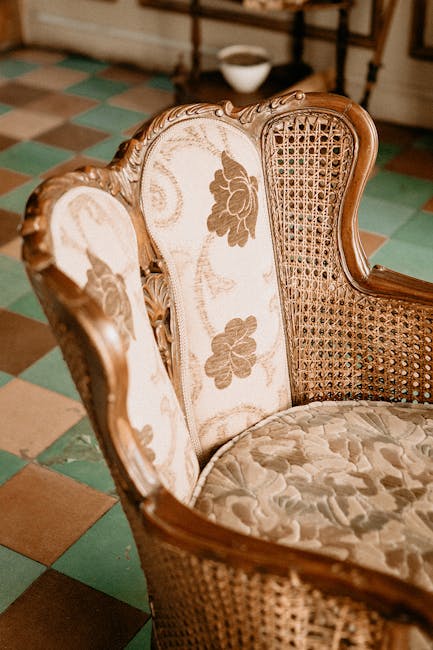
If you live in a Castelnau period home in Barnes, you probably already know the charm is in the details: the curved skirting, old timber, bay windows, generous ceilings, and furniture that somehow fits the house better than anything modern ever could. But upholstery in these homes can be a little fussy. Delicate fabrics, family antiques, well-loved sofas, and chairs that have seen years of daily life all need a careful hand. That is where Castelnau period home upholstery cleaning in Barnes becomes more than a routine tidy-up. It becomes part preservation, part hygiene, part good sense.
In this guide, we will look at what upholstery cleaning actually involves, how it works in period properties, what to avoid, and how to choose the right approach for your furniture. We will also cover practical steps, comparison points, and the kind of details that matter when your home is older, more characterful, and frankly less forgiving than a flat-pack kind of setup. Let's face it, a Victorian armchair can't be treated like a nylon office stool.
For readers comparing services across the wider home, it can also help to understand how upholstery care sits alongside deep cleaning, sofa cleaning, and broader domestic cleaning support. That wider picture matters, especially in older Barnes homes where dust, soot, pet hair, and everyday wear can settle into fabrics faster than you expect.
Table of Contents
- Why Castelnau period home upholstery cleaning in Barnes matters
- How Castelnau period home upholstery cleaning in Barnes works
- Key benefits and practical advantages
- Who this is for and when it makes sense
- Step-by-step guidance
- Expert tips for better results
- Common mistakes to avoid
- Tools, resources and recommendations
- Law, compliance, standards, or best practice
- Options, methods, or comparison table
- Case study or real-world example
- Practical checklist
- Conclusion
- Frequently asked questions
Why Castelnau period home upholstery cleaning in Barnes Matters
Period homes in Castelnau and the surrounding Barnes streets are often built with materials and layouts that reward care. A lot of the furniture in these homes is not just "furniture" in the broad sense. It may be inherited, antique, custom upholstered, or chosen specifically to fit the proportions of a much older house. Clean it badly and you can flatten pile, distort fabric, leave tide marks, or weaken fibres. Clean it well and you protect both appearance and lifespan.
There is also a very practical reason this matters: older homes tend to collect dust in corners, under heavy curtains, and inside upholstered seams. In a room with sash windows or deep mouldings, airborne dust can settle on fabrics more often than in a newer property. Add family life, pets, and heating cycles, and the upholstery begins to hold odour, grime, and surface soil even when it still looks "fine" at a glance.
To be fair, many people leave upholstery far too long because it does not scream for attention the way a stained carpet does. But soft furnishings quietly change the feel of a whole room. A sofa that smells stale, a dining chair with dark armrests, or a reading chair with flattened velvet can drag the whole house down a notch. In a character home, that contrast is even more noticeable.
Good upholstery cleaning also supports the overall care of the property. If you are already maintaining floor finishes through hard floor cleaning or looking after rugs with rug cleaning, upholstered furniture should sit in the same maintenance plan. Otherwise one part of the room looks crisp and the other looks tired. Nobody wants that, least of all in a home with proper character.
How Castelnau period home upholstery cleaning in Barnes Works
Upholstery cleaning is not one single method. It is a process of inspecting the fabric, identifying the fibre type, testing how it reacts to moisture or solvent, then choosing the safest method. In period homes, that first inspection step is especially important because older furniture can hide repairs, previous restoration work, or delicate trims that do not react well to aggressive cleaning.
The usual workflow looks something like this:
- Assessment - The cleaner checks fabric type, age, condition, colourfastness, and any visible staining or wear.
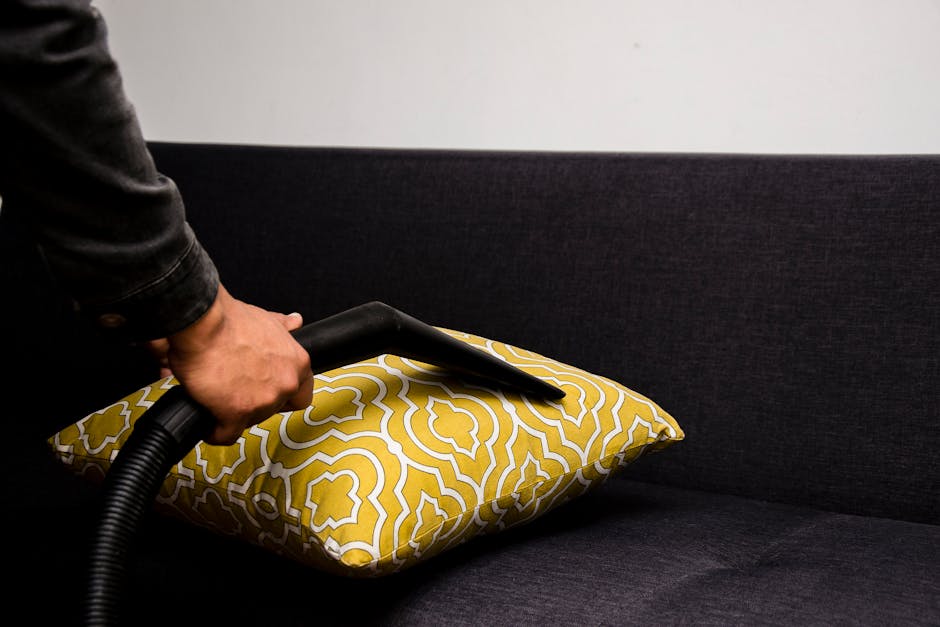
- Dry soil removal - Loose dust, grit, pet hair, and crumbs are removed first. This matters more than most people think.
- Spot testing - A small hidden area is tested to see how the fabric reacts to the chosen solution.
- Targeted pre-treatment - Spills, armrest marks, and traffic areas may receive a suitable pre-spray or stain treatment.
- Main cleaning - Depending on the upholstery, this may be low-moisture extraction, controlled wet cleaning, foam cleaning, or specialist hand cleaning.
- Detail finishing - Seams, buttons, piping, and tufting are checked so the finish is even and tidy.
- Drying and aftercare - Ventilation, careful drying, and usage guidance help prevent marking or slow-drying issues.
In older Barnes homes, the method often has to be adapted room by room. A formal dining chair set might need something different from a linen sofa in the sitting room or a velvet ottoman in a front parlour. Yes, parlour. Some homes still feel like that, and that is part of the charm.
A professional approach also takes account of the wider environment. If the home has recently had renovation or plaster dust, a service like after builders cleaning may be relevant first, because fine dust can settle into upholstery and make a "clean" room feel gritty. If the property needs broader support, some homeowners also pair upholstery work with house cleaning or one off cleaning for a reset that covers the whole interior.
Key Benefits and Practical Advantages
There are some obvious benefits, and then there are the subtle ones that only become clear once the work is done. The obvious ones are freshness, stain reduction, and improved appearance. The subtler ones are what really sell the process for period homes.
- Preserves fabric life - Removing grit and oily residue reduces wear on fibres.
- Restores colour and texture - Fabrics often look softer and brighter after proper cleaning.
- Improves indoor freshness - Upholstery can hold odours from pets, cooking, smoke, and everyday use.
- Supports a better first impression - This matters if you host often or are preparing for guests.
- Helps protect original or custom pieces - Especially useful for antiques and made-to-measure furniture.
- Can extend the time between replacements - Which is practical and, let's be honest, financially welcome.
There is also a comfort factor. A cleaned sofa or armchair simply feels nicer to use. You notice it in the evening when you sit down with a cup of tea and the room feels calm again. No musty smell. No crusty armrest. Just a fresher, more cared-for space.
For homes where the upholstery forms part of a wider decorative scheme, cleaning can help the room look more cohesive. A freshly cleaned sofa next to clean windows, for example, can transform how daylight lands on the room. If you are already maintaining the rest of the space through window cleaning or periodic carpet cleaning, upholstery care completes the picture.
Who This Is For and When It Makes Sense
Castelnau period home upholstery cleaning in Barnes is a strong fit for homeowners who value both presentation and preservation. But the need is not limited to people with antiques or formal interiors. A modern family living in a period house with a well-used corner sofa may benefit just as much as someone restoring a heritage sitting room.
It tends to make sense if you are:
- living in a period property with original or high-quality furnishings
- noticing dullness, grime, or odour in upholstery
- preparing a property for guests, sale, or rental presentation
- dealing with pet hair, spills, or everyday family wear
- looking after inherited furniture that you want to keep in use
- refreshing a room after building dust, decorating, or a long winter indoors
There is no magic calendar for this. Some households may need upholstery cleaning every 6 to 12 months, while others can go longer depending on use, fabric type, and ventilation. A quiet sitting room used only in the evenings is different from a family lounge where children, dogs, and snacks all live in the same general area. You know the sort.
If you are trying to decide whether upholstery should be cleaned on its own or as part of a broader visit, compare the condition of the furniture with the rest of the property. If soft furnishings are the main issue, focused upholstery cleaning is usually enough. If multiple rooms need attention, a more joined-up clean can be the better call.
Step-by-Step Guidance
If you want to understand the process properly, it helps to think like a cleaner for a moment. Not in a dramatic way. Just enough to see why each step matters.
- Identify the material
Start with the fabric tag if one is available, but do not rely on it blindly. A quick visual inspection still matters. Velvet, linen blends, wool, leather-look synthetics, and antique coverings all behave differently. - Check for weak spots
Look for loose stitching, fraying seams, old repairs, sun fade, or worn armrests. These areas need gentler handling. - Vacuum thoroughly
Use a suitable upholstery tool and work slowly. Dust trapped in seams can become muddy if you rush ahead with liquid. - Pre-test a hidden patch
This is non-negotiable for period furniture. A tiny test can prevent a big, expensive problem. - Treat stains selectively
Do not flood the whole item because of one tea mark. Target the issue and keep moisture controlled. - Clean from the least risky approach first
Dry or low-moisture methods are often safer for older furnishings than heavy wet extraction. - Control drying
Open windows if appropriate, improve air movement, and avoid sitting on the piece too soon. That slightly damp smell is not what anyone wants. - Inspect the result in natural light
Period homes often have excellent daylight in the morning or late afternoon. Check for tide marks or missed areas then, not only under lamp light.
There is a small but important habit here: photograph the furniture before work begins. It helps set expectations and keeps everyone clear on what has changed. Also, if a stain is old and permanent, it is better to know that upfront than to pretend otherwise. Honesty saves hassle later.
Expert Tips for Better Results
In our experience, the difference between a decent clean and a genuinely good one is rarely about enthusiasm. It is about restraint, sequencing, and patience. That sounds less glamorous than it is, but it works.
- Always clean the surrounding room first if dust is heavy - Otherwise fresh upholstery will pick up debris immediately.
- Use minimal moisture on old or layered fabrics - Excess water can create rings, drag dyes, or leave a stubborn damp odour.
- Prioritise the contact points - Arms, headrests, and seat fronts usually need the most attention.
- Do not over-brush delicate pile - Velvet and chenille can look crushed if you attack them too hard.
- Keep pets and children away until dry - Not a thrilling instruction, but a useful one.
- Ventilation beats panic - Gentle airflow is safer than heating a room aggressively.
One small but useful tip: if you have multiple upholstered items in the same room, clean the one that sees the most daily use first. You will immediately notice the contrast, and it can help you decide whether the other pieces need a lighter refresh or a full treatment. Funny how one chair can make the whole room look older than it is.
If you are working with a provider, ask what they do for fragile textiles, antique frames, and colour bleed risk. A thoughtful answer is usually a good sign. A vague "don't worry, we'll sort it" is less reassuring than it sounds.
Common Mistakes to Avoid
Plenty of upholstery problems are self-inflicted, and not because people are careless. Usually it is because the furniture looked tougher than it really was. The issue is that older fabrics can be deceptively delicate.
- Using too much water - This is one of the quickest ways to cause marks or slow drying.
- Scrubbing stains aggressively - That often pushes the stain deeper or damages the weave.
- Skipping the test patch - Risky on any sofa, but especially risky in a period home.
- Using generic products on unknown fabric - A cleaner made for one textile can ruin another.
- Ignoring the frame or filling - Some pieces may have fragile internal structure that dislikes heavy saturation.
- Using a furniture piece again too soon - It may feel dry on top but still be damp inside.
Another common mistake is cleaning only the visible stain and leaving the surrounding area untouched. The result can be a neat stain surrounded by a slightly dirtier halo. Not ideal. On old fabric, that can make the repair look worse than the original mark.
And yes, trying to "improve" a stain with household tricks you saw somewhere online can make matters worse. We all do it. Or at least think about doing it. But period upholstery is not the place for improvisation.
Tools, Resources and Recommendations
You do not need a room full of kit to care properly for upholstery, but the right tools make a big difference. For homeowners, the goal is usually maintenance and prevention between professional visits.
- Upholstery vacuum tool - Best for seams, corners, and regular dust removal.
- Soft brush attachment - Useful for lifting surface debris without roughing up fibres.
- White absorbent cloths - Handy for blotting spills without dye transfer.
- Gentle fabric-safe cleaner - Only if suitable for the exact material, and always test first.
- Fan or open-window drying setup - Practical for speeding up air movement without heat damage.
- Protective throws or cushions - Worth considering in homes with pets or heavy daily use.
For broader home upkeep, a professional cleaning company may be the right choice if you want upholstery looked after as part of a whole-property plan. Some households prefer a routine of periodic upholstery care plus lighter ongoing home cleaners support. There is no single right answer, just the one that fits how the home is lived in.
If you are comparing service quality, ask about cleaning methods, drying time, fabric testing, and insurance. Good answers usually come with practical detail, not sales fluff. That alone tells you a lot.
Law, Compliance, Standards, or Best Practice
This topic is mainly about best practice rather than complex regulation, but there are still sensible standards to expect. In the UK, a professional cleaner should work with care, use suitable products for the material, and avoid actions that create avoidable damage. If the furniture has sentimental or monetary value, that care becomes even more important.
Good providers should also be clear about safety, liability, and how they handle your home. If you are letting someone work around older furnishings, it is reasonable to ask about insurance and safety and how they manage risk on delicate pieces. A proper answer should not sound evasive.
On the customer side, the best-practice approach is simple: share known issues, mention old stains or repairs, and tell the cleaner if a piece has been reupholstered, sun-faded, or previously treated with DIY products. That bit of honesty helps avoid problems. It really does.
If you are reviewing terms, payments, or service expectations, it can also be sensible to look at payment and security, terms and conditions, and the company's privacy policy. None of that is exciting, obviously, but it does show whether a business takes its responsibilities seriously.
Options, Methods, or Comparison Table
Different upholstery materials and situations call for different methods. Here is a simple comparison to help you think it through.
| Method | Best for | Strengths | Watch outs |
|---|---|---|---|
| Dry vacuum-led cleaning | Routine maintenance, dust removal, delicate fabric prep | Low risk, good first step, fast | Won't remove deep stains alone |
| Low-moisture cleaning | Period furniture, mixed-use upholstery, lightly soiled items | Controlled drying, safer for older fabrics | May need careful technique and repeated attention |
| Extraction cleaning | Robust modern fabrics, heavier soil, family sofas | Strong soil removal, effective on many marks | Too much moisture can be risky on older pieces |
| Hand cleaning / spot treatment | Antiques, trims, fragile seams, small problem areas | Very targeted, gentle when done well | Slower and not suitable for every job |
The right method depends on the fabric, not the room style alone. A period home can have modern upholstery, and a newer home can have an antique chair. The item decides, not the postcode.
If the whole room has a layer of dust from decorating or a recent move, it may make sense to combine upholstery care with one off cleaning rather than tackling isolated items in a hurry.
Case Study or Real-World Example
Imagine a Barnes sitting room with a linen two-seater sofa, two upholstered dining chairs, and an old button-backed armchair inherited from a relative. The sofa shows light armrest soiling, one chair has a faint drink ring, and the armchair has a stubborn dull patch where sunlight has faded the fabric over time.
A careful clean would begin with dry vacuuming and a close inspection. The armchair might only get spot work and very light surface treatment because pushing moisture into old padding would be unwise. The sofa could take a low-moisture clean with focused attention on the armrests and seat base. The dining chair would likely need the stain treated separately before a broader pass. The result would not be "new", because that would be unrealistic. But it would look balanced, fresher, and more cared for.
That is often the real win in period homes: not perfection, but harmony. Everything starts speaking the same visual language again. The room feels settled. Softer. More lived in, but in a good way.
And if the home was recently renovated or had furniture moved around during work, a supporting service such as after builders cleaning could help remove the dust that otherwise keeps resettling onto upholstery within days. That is one of those little annoyances you only notice after the event.
Practical Checklist
Use this quick checklist before arranging upholstery cleaning in a Castelnau period home:
- Identify the furniture pieces that matter most
- Note the fabric type if you know it
- Check for loose seams, worn areas, or previous repairs
- Point out any stains, odours, or pet-related issues
- Move fragile objects away from the work area
- Ask how the cleaner tests fabric safety
- Confirm expected drying time
- Decide whether you need room-wide cleaning support too
- Ask about insurance and treatment of delicate items
- Plan not to use the furniture immediately after cleaning
Quick takeaway: the better you understand the fabric, the safer and more effective the cleaning will be. Period homes reward patience. They really do.
Conclusion
Castelnau period home upholstery cleaning in Barnes is about more than making a sofa look neat for a few days. It is about looking after the things that shape the feel of a home. In older properties, where every room has a bit of personality and the furniture often carries real history, careful upholstery care helps preserve comfort, appearance, and longevity at the same time.
The best results usually come from a thoughtful assessment, gentle methods, and a bit of restraint. Not every stain needs to be attacked. Not every fabric wants the same treatment. And not every "quick fix" is actually quick once the damage is done.
If your furniture is looking tired, dusty, or just a bit heavy with everyday life, start with the fabric, not the guesswork. That one decision can save time, money, and a lot of regret. Small effort, good outcome. Nice when that happens.
Get a free quote today and see how much you can save.
Frequently Asked Questions
What is the best way to clean upholstery in a period home?
The safest approach is usually a fabric-specific method that starts with vacuuming, a test patch, and a low-moisture or hand-cleaning process where needed. Older furniture often reacts badly to excess water, so caution matters.
How often should upholstery be cleaned in a Barnes period property?
It depends on use. A family living room with daily traffic may benefit from cleaning every 6 to 12 months, while a less-used formal room may need it less often. Fabric type and pets also change the timing.
Can antique upholstery be cleaned safely?
Often yes, but only with careful assessment. Some antique pieces are best cleaned very lightly or only spot-treated. The frame, stuffing, seams, and previous repairs all need to be considered first.
Will upholstery cleaning remove old stains?
Sometimes it will reduce them significantly, but not every old stain can be fully removed. Age, fibre type, and previous DIY treatment all affect the outcome. A good cleaner should be honest about that.
How long does upholstered furniture take to dry?
Drying time varies by method, fabric, and ventilation. Lightly cleaned items may dry fairly quickly, while deeper cleaning can take longer. Good airflow makes a real difference.
Is steam cleaning suitable for period upholstery?
Not always. The word "steam" gets used loosely, and high heat or excess moisture can be risky for older textiles. A cleaner should choose the method based on the exact fabric, not a generic label.
What should I do before the cleaner arrives?
Clear the area around the furniture, point out stains or weak spots, and remove small items from side tables or nearby surfaces. If possible, note any previous repairs or special fabrics.
Can upholstery cleaning help with odours?
Yes, often it can. Upholstery can hold cooking smells, pet odours, and general stale air. Cleaning may improve freshness a lot, though severe odours may need more than one treatment.
Should upholstery cleaning be done before or after carpet cleaning?
It depends on the room, but many people prefer to clean upholstery first or as part of the same visit, so dust and debris do not drop onto freshly cleaned soft furnishings later.
How do I know if a fabric is too delicate for standard cleaning?
Look for fading, loose weave, fragile trims, loose stitching, or a lack of care label. If you are unsure, assume it needs a gentler approach. Better safe than sorry, honestly.
Can upholstery cleaning fit into a wider home refresh?
Absolutely. Many homeowners combine it with carpet cleaning, window cleaning, or even house cleaning so the whole interior feels reset at once.
What should I ask a cleaning company before booking?
Ask about fabric testing, drying times, insurance, stain expectations, and the method they plan to use on older furnishings. Clear answers are a good sign. Vague ones are not.
If you are weighing up a full refresh for a period home, think of upholstery as one part of the bigger picture. Done carefully, it lifts the whole room without shouting about it. And that, in a place like Barnes, is often exactly the right result.